

The Quiet Revolution: How Rural Areas Are Becoming Renewable Energy Hubs
Introduction
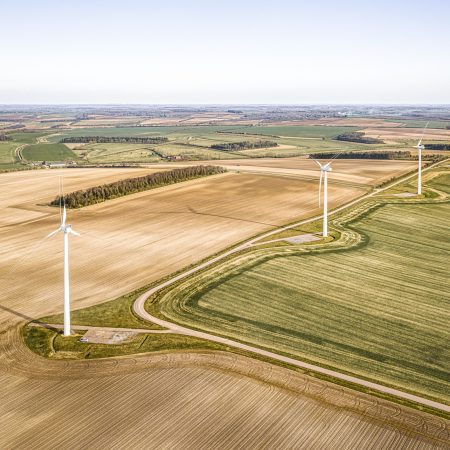
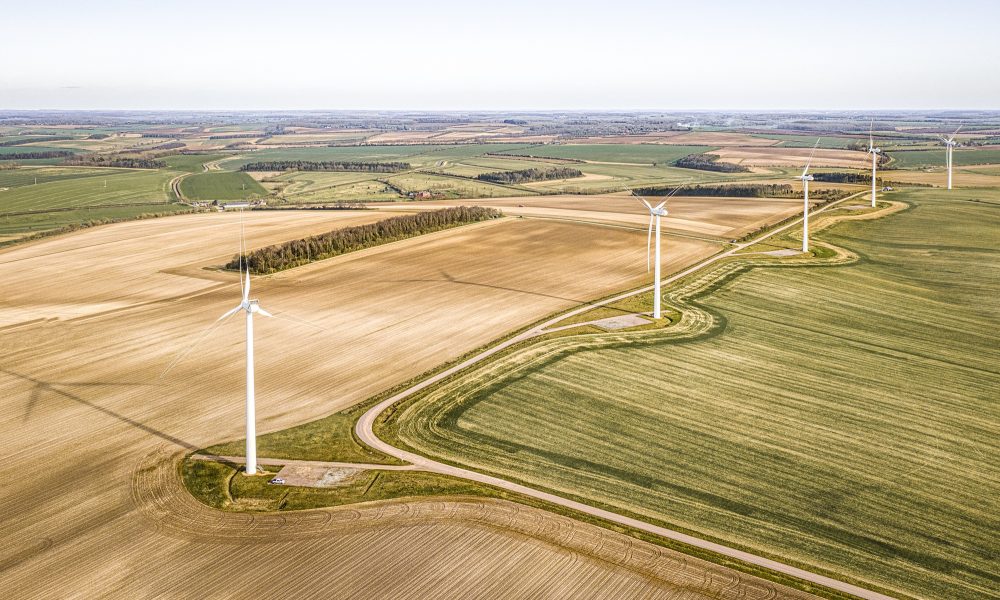
The spread of renewable energy is often associated with urban innovation, but the true revolution is happening far from city centers. Rural communities—traditionally reliant on farming, mining, or manufacturing—are increasingly becoming home to massive solar farms, wind projects, and battery storage facilities.
Economic Revitalization Through Renewables
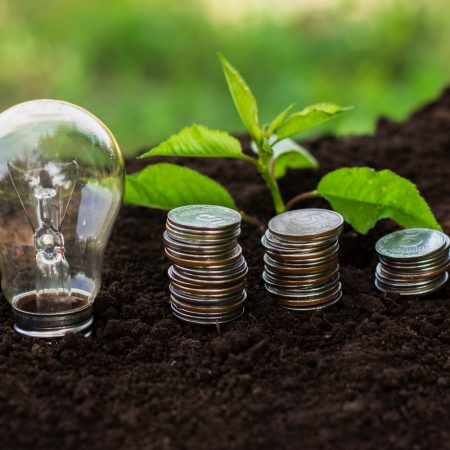
Renewables provide economic diversification at a scale rarely seen in rural regions. Landowners can lease unused land for solar or wind installations, often earning consistent revenue for decades. Counties benefit from new tax income, which supports schools, roads, and public services.
Furthermore, renewable energy construction provides short-term jobs, while long-term operations create new career paths for technicians, electricians, engineers, and managers.
Geographic Advantages Rural Communities Offer
Rural areas are uniquely suited to large renewable installations because they offer:
-
Vast open land for utility-scale solar and wind
-
Strong wind resources, especially in plains and coastal regions
-
Lower land costs, making projects financially attractive
-
Flexible permitting processes compared to urban environments
These factors allow developers to scale projects quickly and efficiently.
How Farmers Are Embracing the Shift
Increasingly, farmers are combining traditional agriculture with renewables. This includes:
-
Agrivoltaics, where crops grow beneath elevated solar panels
-
Wind turbines coexisting with grazing livestock
-
Solar leases providing predictable annual income
This hybrid approach reduces risk and stabilizes farm revenue in an era of unpredictable weather patterns.
Social and Cultural Transformations
Renewables are also reshaping rural identity. Young people, who previously moved away due to limited opportunities, are finding new careers in clean energy. Communities that once faced economic decline are experiencing renewed optimism.
Conclusion
Rural areas are no longer passive participants in the energy transition—they’re leading it. Their contributions are reshaping national energy landscapes and breathing new life into local economies.
Other Articles
The Global Race Toward Offshore Wind: What’s Powering the Surge?
How Community Solar Projects Are Democratizing Clean Energy